

Protein-based therapies have transformed medicine over recent decades by providing highly specific and potent treatments for a broad range of diseases. Building on this progress, antibody formats hold considerable promise for developing next-generation biologics capable of addressing the complex molecular mechanisms that drive disease such as multispecifics and antibody conjugates.
Recent advances in research and increasingly sophisticated analytical tools have enabled a more detailed characterization of disease microenvironments, particularly the acidic microenvironment which occurs mainly in diseases involving hypoxia, inflammation, high metabolic activity.
One promising strategy is the development of conditionally activated proteins that exploit acidic extracellular microenvironments.
Solid tumors characteristically exhibit extracellular acidification due to the Warburg effect and upregulated pH regulators. While healthy tissues typically maintain a pH of ~7.3–7.4, the tumor microenvironment is generally more acidic, with extracellular pH values ranging from approximately 6.0 to 6.9 and commonly falling around 6.5–6.8 within most of the tumor tissue. (References 1 & 2).
Tumor acidity has been demonstrated both in preclinical and clinical settings from small to large tumors and in various cancer types.
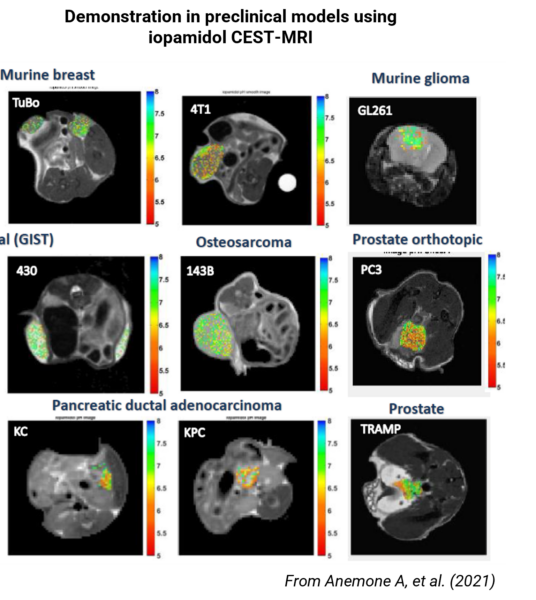
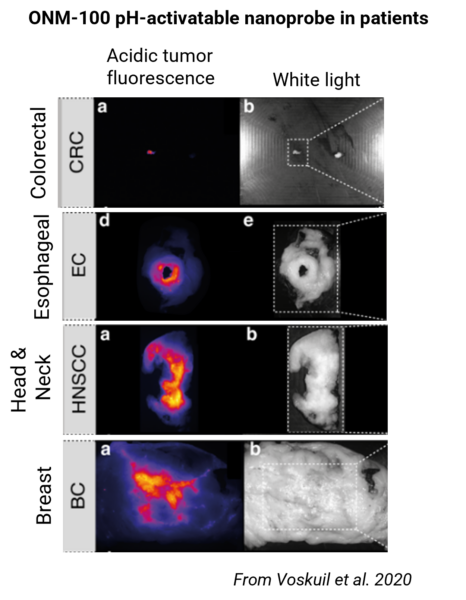
pH-sensitive binders can exploit this gradient by incorporating “pH switches” that modulate binding affinity and/or conformation in response to changes in protonation.
Tumor-selective antibody binders result in:
Overall, pH‑sensitive or conditionally active antibodies address this core limitation by switching “on” only in the acidic tumor microenvironment (TME), thereby widening the therapeutic window and enabling access to previously high-potential therapeutic targets limited by safety liabilities.
Depending on the expected functionality, antibody recycling strategies may be relevant.
In this case, the goal is to generate antibodies that bind their antigen at physiological pH but release it under the acidic conditions of endosomes and lysosomes (pH ~4.5–6.5), thereby supporting antibody recycling and potentially improving target clearance and pharmacokinetics.:
Mabqi is actively advancing this field through its specialized platforms and research programs, developed in collaboration with leading scientists in the field.
We leverage our LiteMab Sense & Neo Sense platforms to generate pH‑sensitive binding proteins whose activity is tightly coupled to the tumor microenvironment.
By finely tuning pH-binding profiles between pH 7.4 and 6.5–6.8, we generate therapeutics with several distinct advantages.
The company is also actively developing tumor-specific drug candidates that are showing increased safety and promising preclinical efficacy.
Corrado A. et al. In vivo imaging of the spatial heterogeneity of intratumoral acidosis (pH) as a marker of the metastatic phenotype in breast cancer. Breast Cancer Res. 23;27:112, 2025.